
 RU
RU  EN
EN 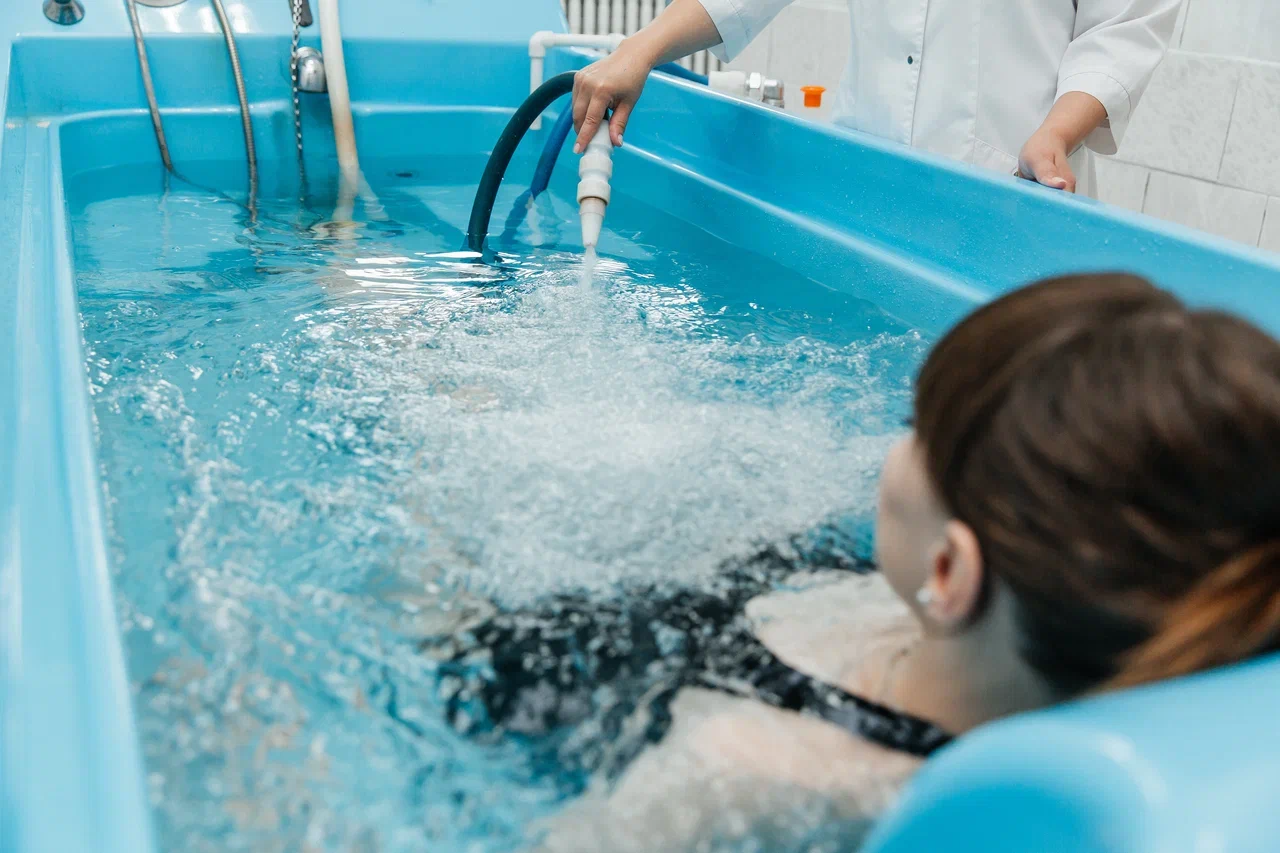
Underwater shower massage (or underwater hydromassage) is a hydrotherapy treatment in which the body is massaged underwater with a high-pressure water jet.
Hydromassage was first used in the 20th century to help patients recover from injuries. Doctors noted its benefits: patients who took these baths experienced faster swelling reduction, normal sleep, and improved skin condition. The beneficial properties of hydromassage have made it one of the most popular therapeutic hydrotherapy treatments.
General hydromassage is a combination of thermal stimulation, the hydrostatic action of the bath water, and the additional mechanical stimulation of the skin by the water jet. A warm bath relaxes muscles and reduces pain, allowing for more effective mechanical and thermal stimulation, reaching deeper tissues.
Under the influence of hydromassage the following occurs:
- Massage effect: water jets activate blood and lymph flow, promote the removal of metabolic products from tissues, increase tissue elasticity and skin tone, and reduce the appearance of cellulite.
- Temperature effect: the water used for hydromassage can be cool or warm – depending on this, the tonic and immunostimulating effect will predominate, or the relaxing, antispasmodic and calming effect will predominate.
- Reflexogenic effect: by acting on biologically active points, water jets cause a complex of reactions from the autonomic nervous system and thereby stimulate the functioning of internal organs
Thus, underwater shower massage:
- stimulates blood and lymph flow;
- accelerates metabolic processes;
- activates general immunity;
- has a tonic effect;
- increases the elasticity of blood vessels;
- makes the skin elastic.
Indications for use:
- diseases of the musculoskeletal system (arthritis, osteoarthrosis, osteochondrosis, scoliosis and others);
- metabolic diseases, in particular gout and stage 1 obesity;
- pathology of the muscular system (myopathy, myositis, traumatic injuries);
- diseases of the peripheral nervous system outside of exacerbation (neuritis, plexitis, polyneuropathy);
- post-traumatic disorders of the peripheral nervous system;
- muscle paresis;
- neurocirculatory dystonia;
- tendency to low blood pressure;
- ankylosing spondylitis (Bechterew's disease);
- Raynaud's disease;
- chronic gastritis, colitis and functional bowel disorders;
- lymph flow disorders;
- obliterating atherosclerosis of the vessels of the lower extremities;
- chronic venous diseases (varicose veins, chronic trophic ulcers, hemorrhoids);
- depressive states;
- neurasthenia, neuroses;
- cellulite, localized fat deposits;
- decreased firmness and elasticity of the skin and muscles.
Underwater shower massage can also be useful during periods of increased physical activity and during rehabilitation after surgery, including plastic surgery.
Contraindications for the use of underwater shower massage:
- pregnancy period;
- early childhood (up to 5 years) and old age (65-70 years and above);
- acute infectious diseases;
- elevated body temperature;
- recent injuries (up to 10 days) and injuries requiring immobilization;
- pustular skin diseases;
- acute and chronic cerebrovascular accidents;
- history of myocardial infarction;
- hypertension stage II-III;
- ischemic heart disease grade 2-3;
- cardiac arrhythmia;
- urolithiasis;
- thrombophlebitis;
- diseases associated with an increased risk of blood clots;
- diseases with an increased risk of bleeding;
- malignant neoplasms;
- benign tumors with a tendency to grow.
It is especially important to undergo a hydromassage course in the spring and fall, during the most stressful periods of restructuring for the body—from winter to summer and from summer to spring—to invigorate and strengthen it, helping it cope more easily with adversity.
The system combines perfectly with various physiotherapy procedures and exercise therapy.