
 RU
RU  EN
EN 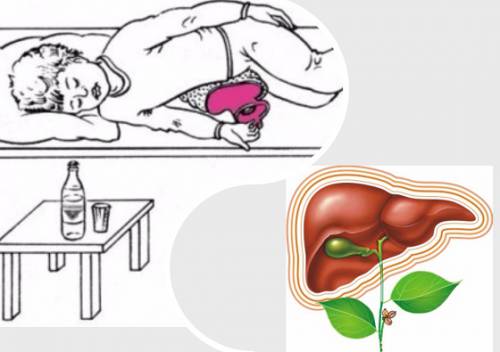 Tubage is a therapeutic measure for the purpose of emptying the gallbladder, carried out using a duodenal probe, or by taking choleretics while warming up the liver area (the so—called "blind", probe-free or "humane" tubage). The second option is known as "tubage by G.S. Demyanov".
Only "humane" tubing is used in the Goryachinsk Resort. The purpose of the procedure is to shrink the gallbladder to ensure the outflow of stagnant bile into the intestinal lumen. To determine the condition of the gallbladder and the biliary system as a whole, to determine the cause of stagnation of bile in the bladder and bile ducts, ultrasound examination (ultrasound) of the liver and biliary system is usually prescribed. This method allows not only to determine the presence of concretions or sediment (biliary sludge) in the lumen of the bladder and ducts, but also their functional state, the nature of bile separation, and to find out the cause of stagnation.
15-20 years ago, duodenal probing was widely used to diagnose and eliminate congestion in the bladder, in which a special probe was inserted into the duodenum, through which bile flowed. But it is possible to eliminate bile stasis without the help of a probe, such washing is called "blind" probing or "blind" tubing. It is called "blind" because bile enters the duodenum, and then is excreted from the body during defecation, whereas in the process of open probing, bile flows out of the probe and is collected for analysis. Some doctors prefer to use the term "humane" tubing because the procedure is not associated with the unpleasant sensations accompanying duodenal probing.
Contraindications
Contraindications for tubage are acute diseases, stone cholecystitis, exacerbation of the chronic process (cholecystitis, pancreatitis, hepatitis, erosive duodenitis, peptic ulcer); probe tubage is also contraindicated in organic diseases of the nasopharynx (nasal pharynx), esophagus, severe forms of ischemic and hypertensive diseases, portal cirrhosis of the liver.
Procedure
The probe-free tubing procedure is performed as follows: from the evening of the previous day, you need to take a noshpa (or an analog). The patient is placed on a bed or couch on his right side with bent knees (to put pressure on his stomach with his foot) and is given one of the choleretic drugs to drink for half an hour: 2 cups of rosehip broth / 1 cup of 25% magnesium sulfate solution / 1-2 cups of mineral water heated to 40-45 °, etc. To enhance biliary excretion, a heating pad is placed on the area of the right hypochondrium. The procedure lasts 1.5 - 2 hours.