
 RU
RU  EN
EN 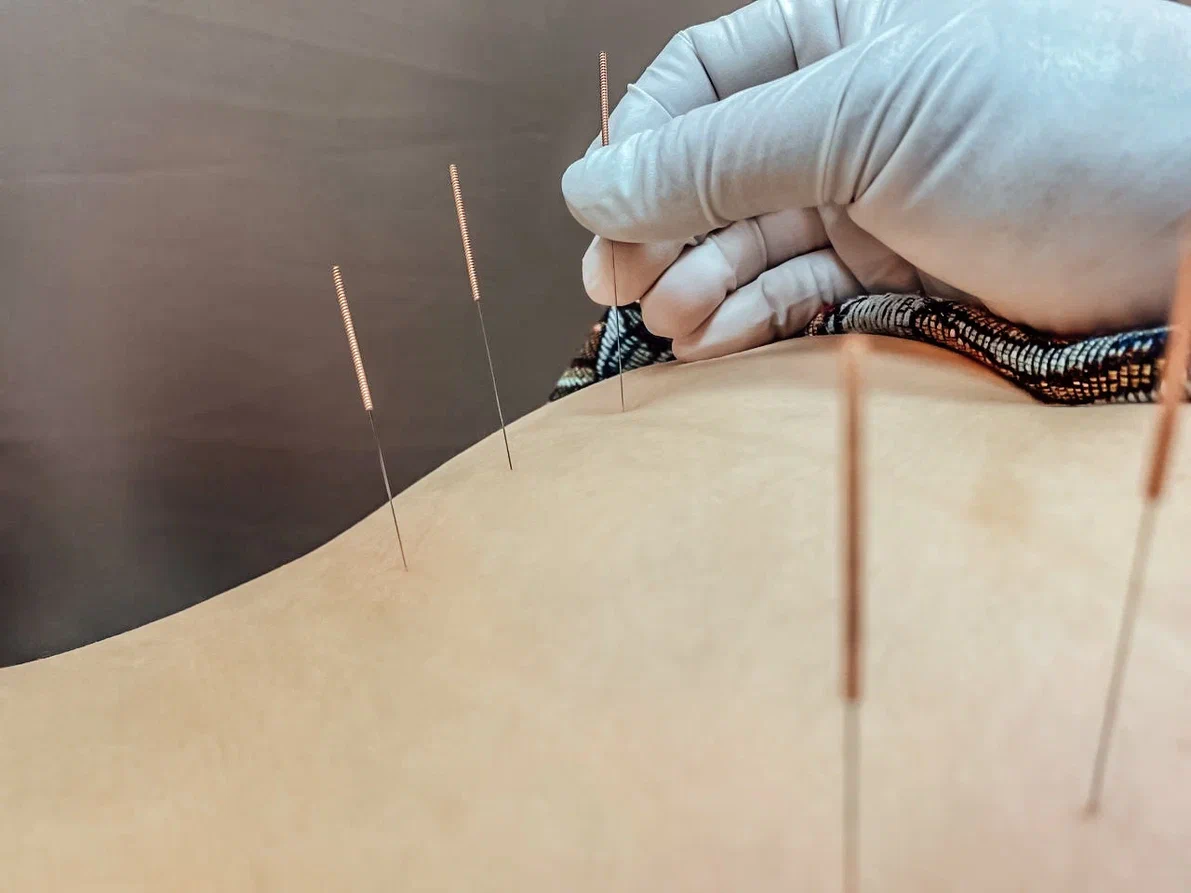
Acupuncture is an ancient method of Chinese medicine that has received scientific validation in modern times. Unlike traditional methods based on the idea of influencing energy meridians, modern acupuncture explains its effectiveness through the activation of neuroreflex mechanisms.
Reflexology sessions involve targeted stimulation of biologically active zones associated with various organs. This results in the following:
- the corresponding centers of the brain are activated;
- local blood circulation improves;
- Metabolic processes are normalized.
Modern reflexology methods combine the millennia-old traditions of Eastern medicine with the latest advances in neuroscience. The price of an acupuncture course in Moscow depends on the number of treatments; appointments are available at the Chudo Doctor multidisciplinary clinic.
Main indications
Acupuncture has been shown to be highly effective in treating the following conditions:
- neurological disorders (neuroses and anxiety states, vegetative-vascular dystonia, consequences of strokes);
- diseases of the musculoskeletal system (osteochondrosis, arthrosis and arthritis);
- pathologies of the respiratory system (chronic bronchitis, bronchial asthma);
- gastrointestinal diseases (chronic gastritis, biliary dyskinesia).
Acupuncture is especially valuable in situations requiring long-term treatment without medication. At the multidisciplinary clinic "Miracle Doctor" in Moscow, we successfully employ traditional therapy methods. We offer a variety of proven acupuncture programs, with pricing depending on the complexity of the case. Appointments are available online or by phone.
Reflexology methods, including acupuncture, can be used as a standalone treatment or in combination with other modalities. The effectiveness of the treatment has been confirmed by clinical studies, making acupuncture a sought-after method in modern medical practice.
Acupuncture: Ancient Traditions and a Modern Approach
Acupuncture, also known as acupuncture, is one of the most effective methods of traditional medicine, originating in ancient China. Acupuncture is based on the principle of applying ultra-fine needles to biologically active points in the body, activating natural self-regulation processes. Modern acupuncture successfully combines traditional Chinese methods with advances in evidence-based medicine, ensuring high effectiveness in treating a variety of conditions.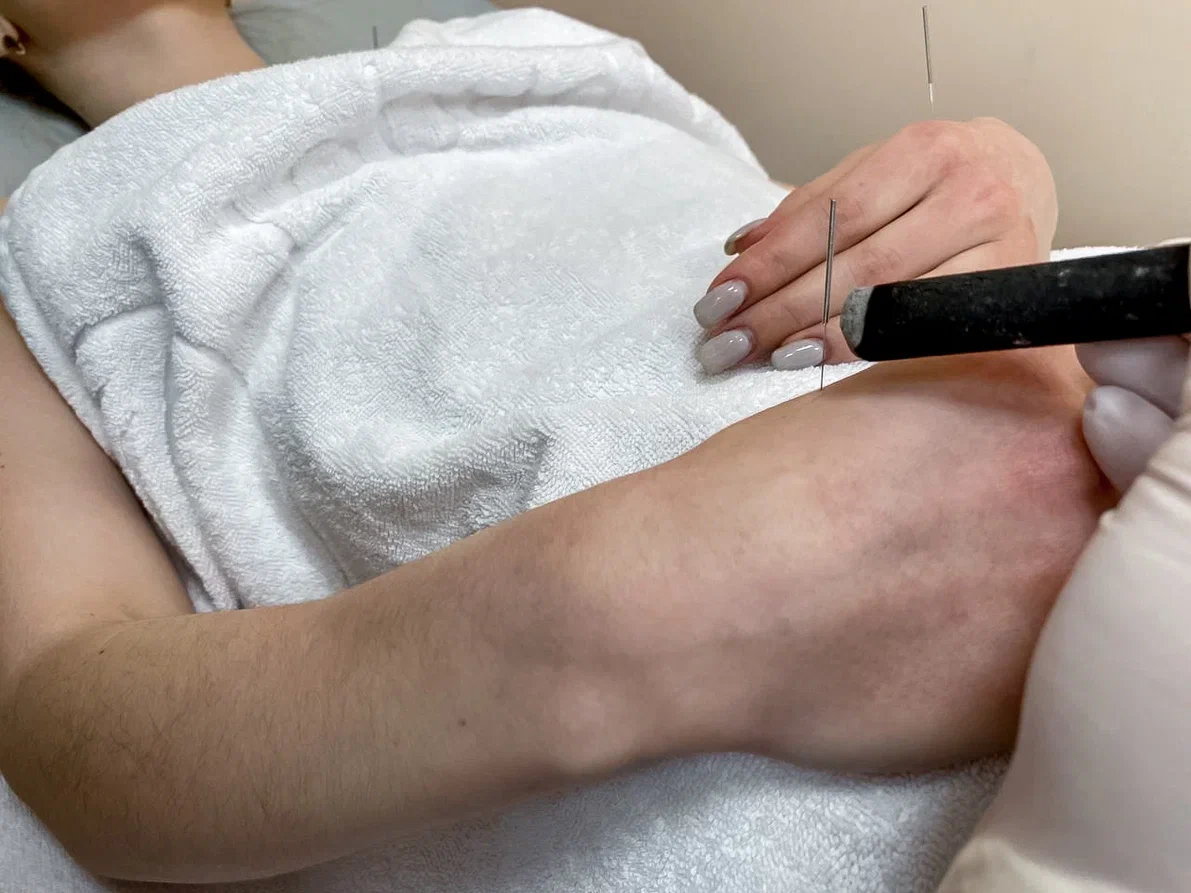
A variety of therapeutic effects
Various acupuncture techniques are used in clinical practice, each with a unique mechanism of action. Classical acupuncture involves the use of specialized sterile needles inserted into specific points on the body. This method is particularly effective for pain syndromes and neurological disorders.
Modern modifications include electropuncture, which additionally uses a mild electrical current, and pharma puncture, which involves administering microscopic doses of medication directly to active points. Moxibustion, which involves warming the points with a smoldering mugwort cigar, occupies a special place, enhancing the therapeutic effect in chronic conditions.
Efficiency of the method
Acupuncture, a method honed over centuries, continues to help restore health today. Results are particularly noticeable in functional disorders, such as vegetative-vascular dystonia, neuroses, and chronic fatigue. For organic pathologies, acupuncture serves as an important complement to conventional treatment, helping to reduce the burden of medication on the body. A course of treatments can achieve sustained remission in chronic diseases of the gastrointestinal, respiratory, and genitourinary systems.
Features of the session
A standard acupuncture session begins with a thorough diagnosis, including an examination and identification of active points. After treating the skin with an antiseptic, the specialist carefully inserts the needles, the depth and angle of insertion being individually adjusted. The procedure is painless—the patient may feel only a slight tingling or warmth.
The treatment lasts 20-40 minutes, during which most patients experience relaxation, some even falling asleep. For lasting results, a course of 10-12 treatments, 2-3 times a week, is usually recommended.
 Contraindications to acupuncture
Despite its highly effective treatment and centuries-old history in traditional medicine, acupuncture has several limitations. Absolute contraindications include the following:
- acute infectious diseases with high temperature;oncological pathologies (especially in the active phase);
- severe mental disorders;
- skin diseases in the affected area (dermatitis, pustular lesions);
- decompensated conditions of the cardiovascular system;
- pregnancy (first and last trimesters).